In recent years, craft has evolved beyond being viewed simply as a hobby or decorative practice. It has become an important part of contemporary art, reflecting identity, culture, and the creative philosophies of artists. One of the names frequently associated with this movement is Alison Welsh, an artist and maker who uses craftsmanship as a language to communicate emotions, ideas, and human experiences.
The works of Alison Welsh stand out through the combination of traditional craft art and contemporary artistic concepts. Each piece carries delicacy, humanity, and stories that deeply connect with audiences.
Who is Alison Welsh?
Alison Welsh is a craft artist whose practice focuses on materials, handmade techniques, and creative processes where “the human hand” plays a central role.
What makes her work distinctive is the way she views craft not merely as decoration or functionality, but as an artistic space capable of expressing memories, emotions, and the relationship between people and the world around them.
Her creations are often connected to:
- Textile art
- Natural materials
- Handmade techniques
- Contemporary art
- Storytelling through textures and surfaces
Craft in a New Perspective
In the past, many people considered craft to be traditional handmade work or collectible objects. Today, however, craft has become an influential part of the contemporary art world.
Alison Welsh is among the artists helping audiences recognize that craft can carry intellectual and emotional value equal to other forms of fine art.
Through handmade processes, she creates works that reflect:
- Emotion
- Memory
- Time
- Culture
- The relationship between people and objects
Handmade Details and Emotional Value
One of the most remarkable qualities of Alison Welsh’s work is the level of detail achieved through handcrafting. Every step requires patience, focus, and time.

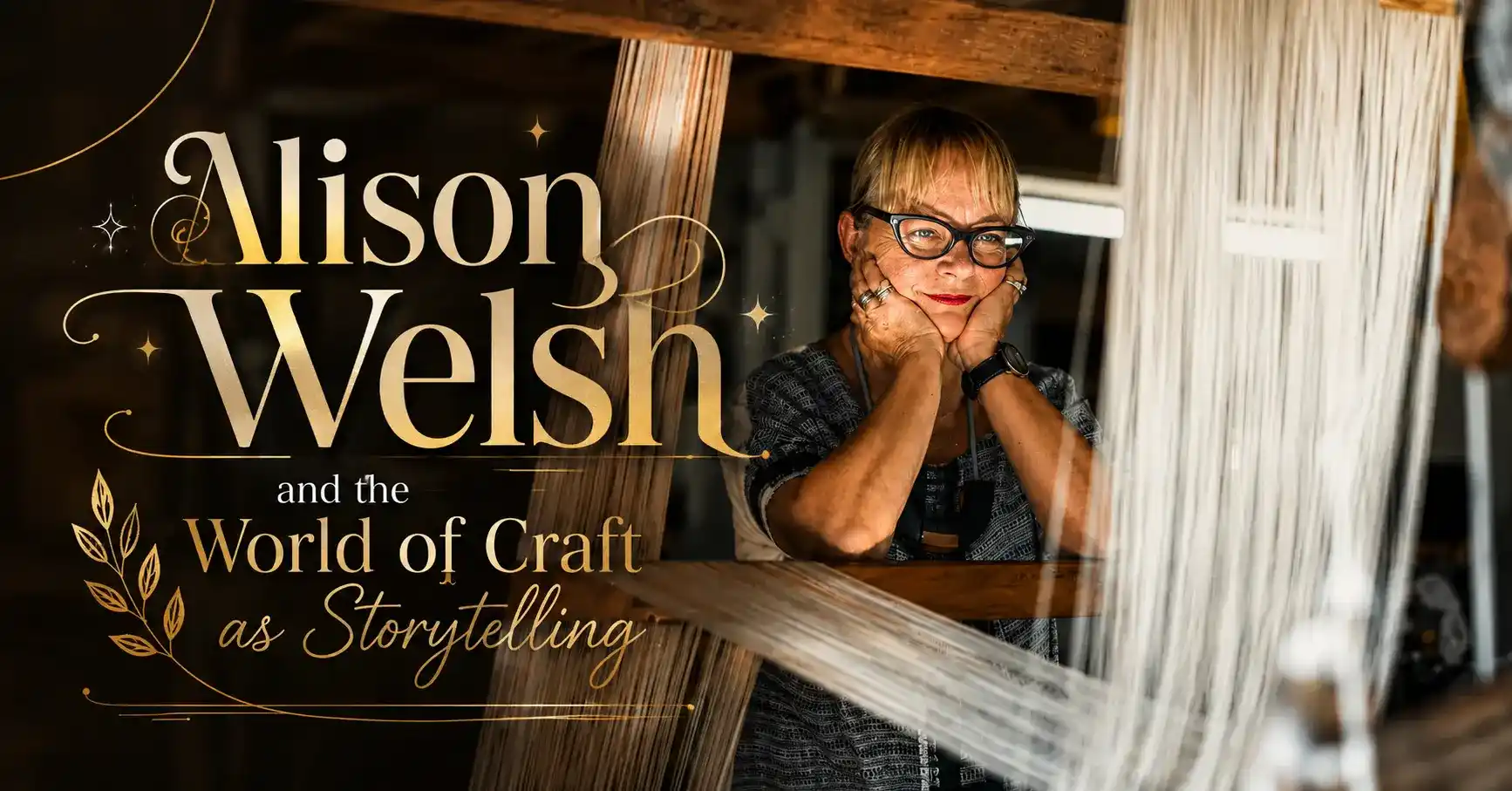
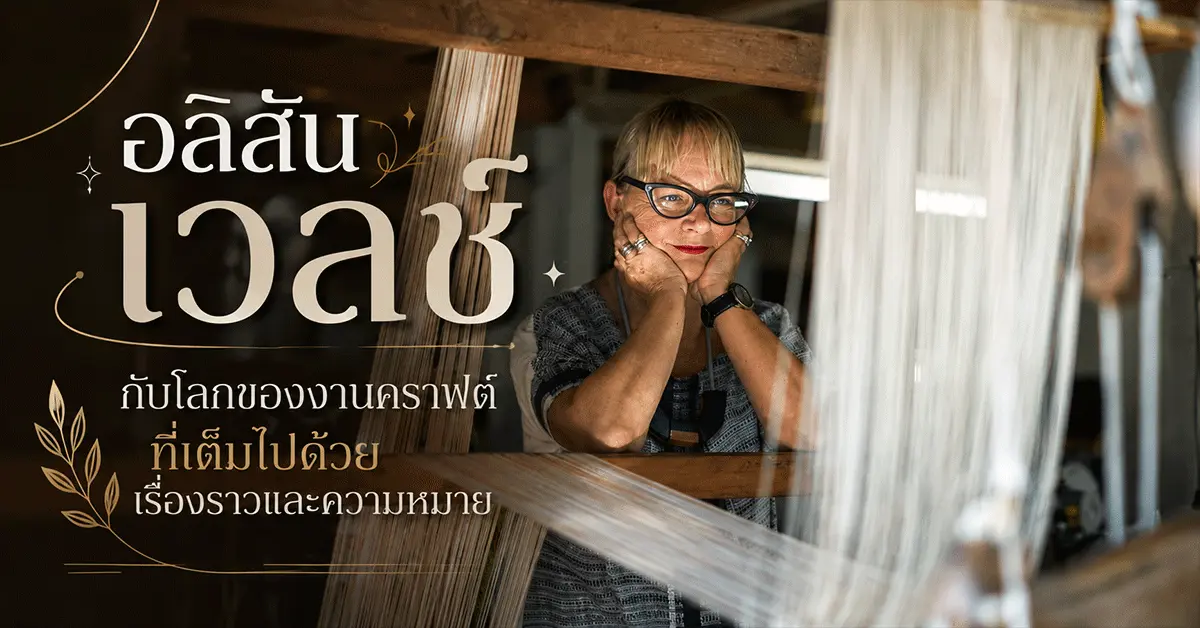
In an era dominated by industrial production and fast consumption, handmade art creates a unique emotional connection because viewers can sense the human presence embedded within each piece.
This is one reason contemporary craft has gained popularity, especially among people searching for meaning and authenticity rather than mass-produced products.
Alison Welsh and the Connection Between Art and Everyday Life
Another important aspect of Alison Welsh’s work is the way it naturally connects art with everyday living.
Her creations are not made solely for gallery exhibitions. Instead, she often explores the question: How can art coexist with daily life? This idea is expressed through textiles, objects, and handmade pieces that people can touch, use, and experience directly.
As a result, craft becomes less distant and more integrated into modern lifestyles.
Craft in the Digital Age
Although today’s world is filled with technology and digital media, craft has become increasingly appreciated because people long for things that feel tangible and human.
The work of Alison Welsh strongly reflects this movement. Her artistic process emphasizes time, materiality, and the intimate relationship between maker and material.
In another sense, craft also acts as a way to slow down modern life, encouraging people to pay attention to small details and rediscover the value of mindful creation.
The Influence of Craft on Contemporary Art
Today, craft is no longer limited to traditional handmade practices. It has gained importance in contemporary art, design, and cultural discussions.
Artists like Alison Welsh demonstrate how ordinary materials and traditional techniques can be reinterpreted into powerful contemporary artworks.
This shift also reflects broader changes in the art world, where equal importance is now placed on process, storytelling, and meaning—not only on the final visual outcome.
Alison Welsh and the Value of Craft in the Modern World
Alison Welsh represents a generation of artists who use craft as a language for expressing stories, memories, and human relationships.
Her work reminds audiences that handmade objects are not merely decorative items. They can become meaningful contemporary art capable of creating emotional connections between people.
In a fast-moving world, craft offers a quiet space that encourages us to appreciate time, detail, and humanity once again.